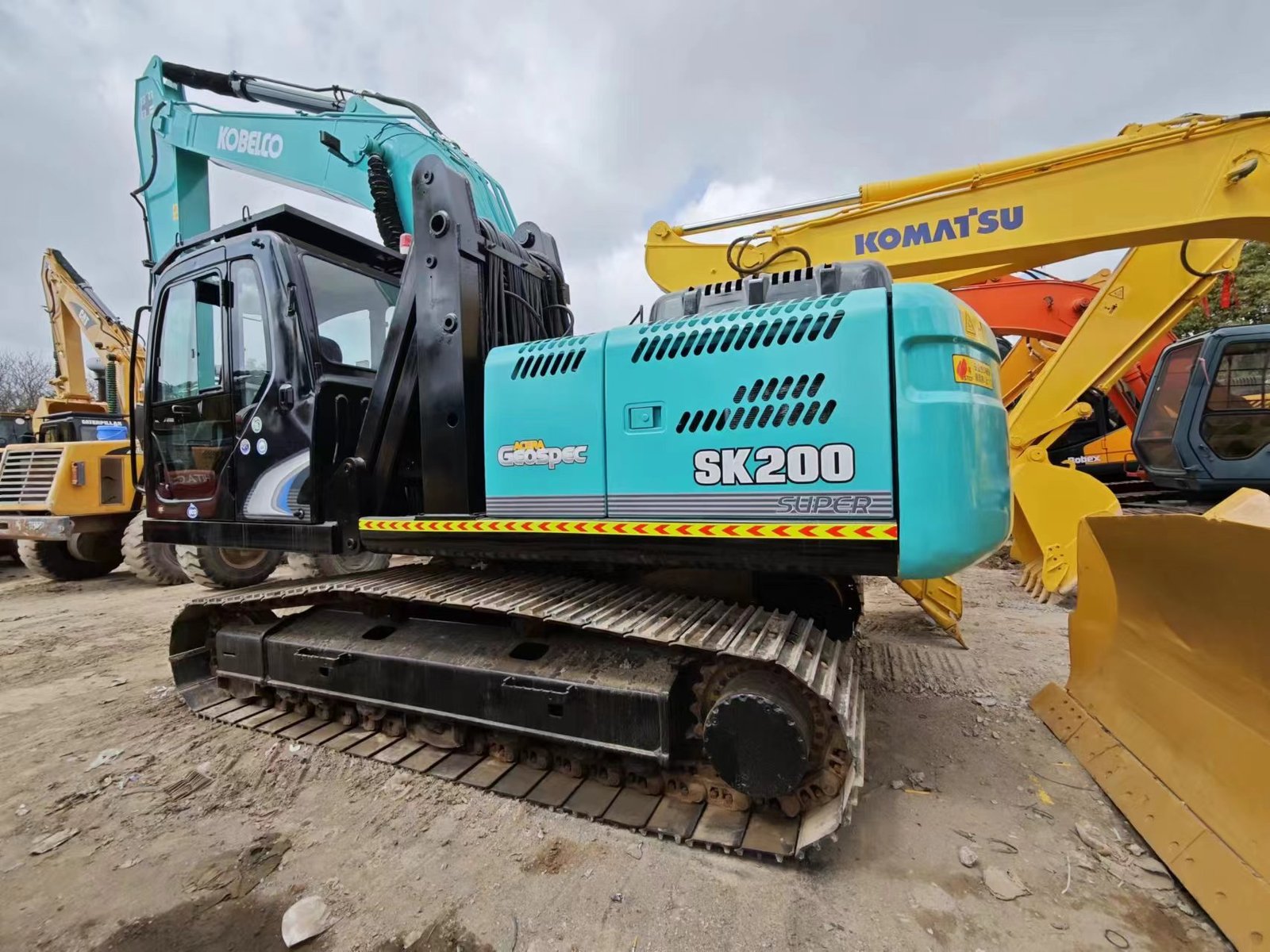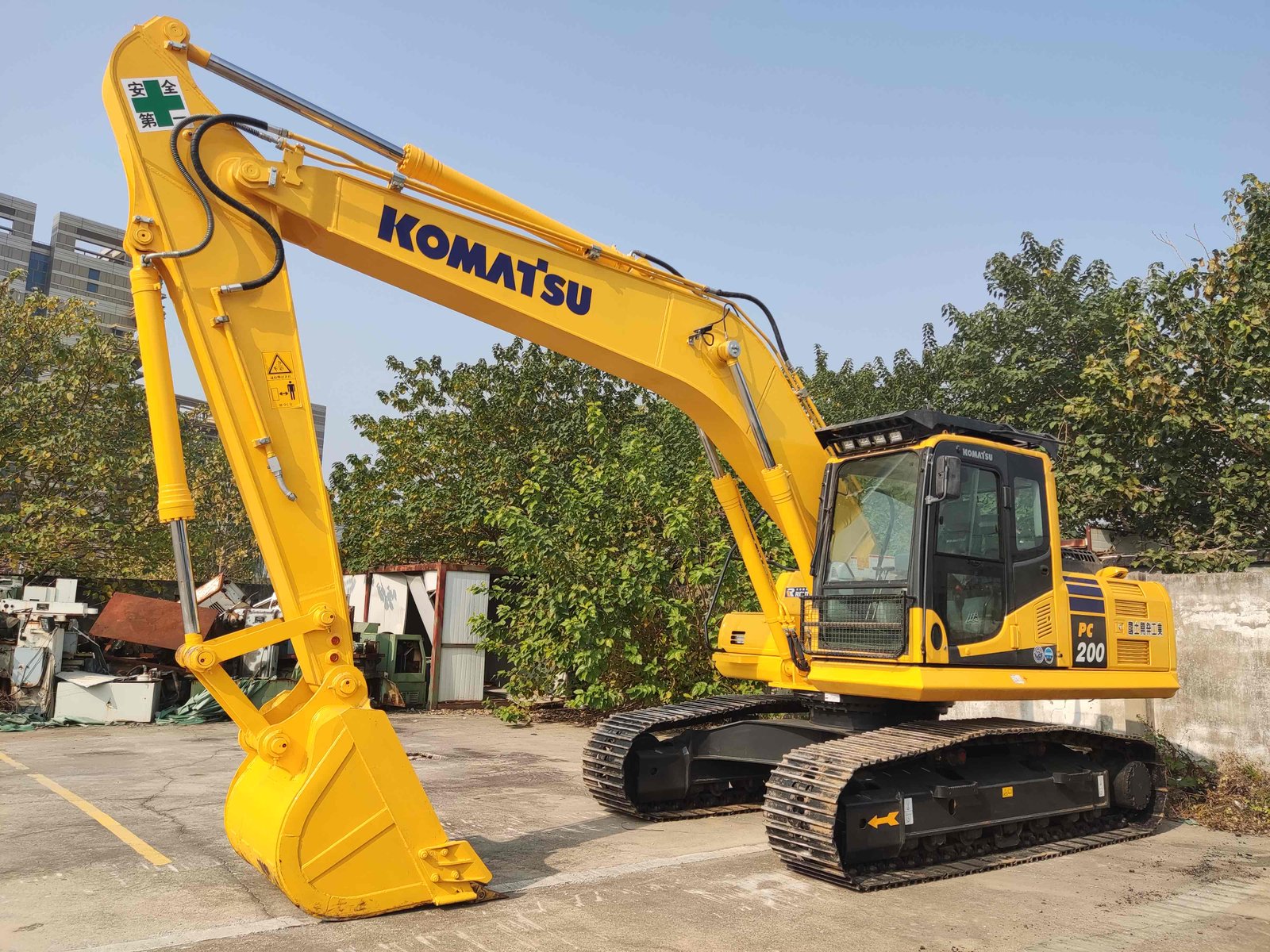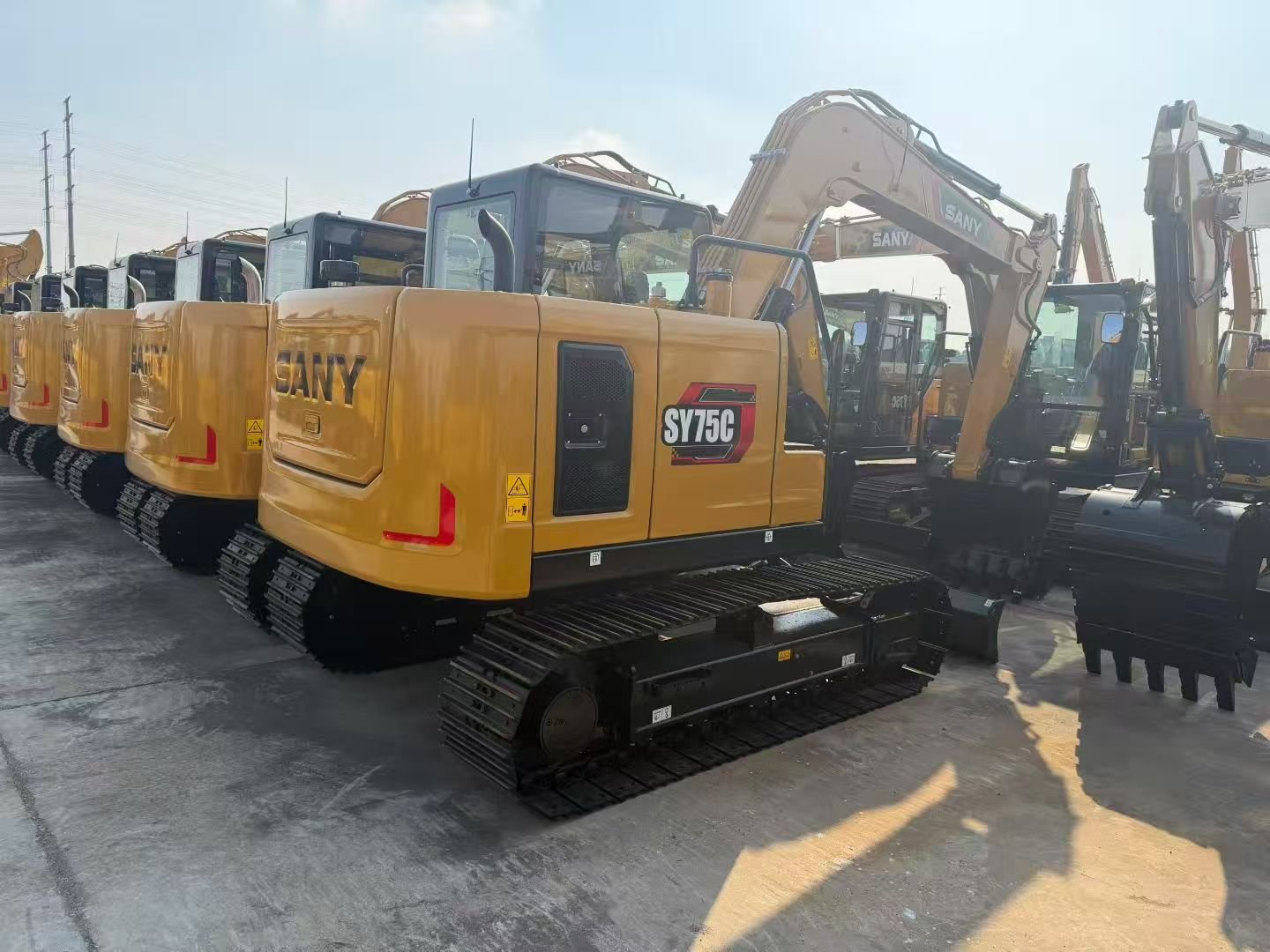
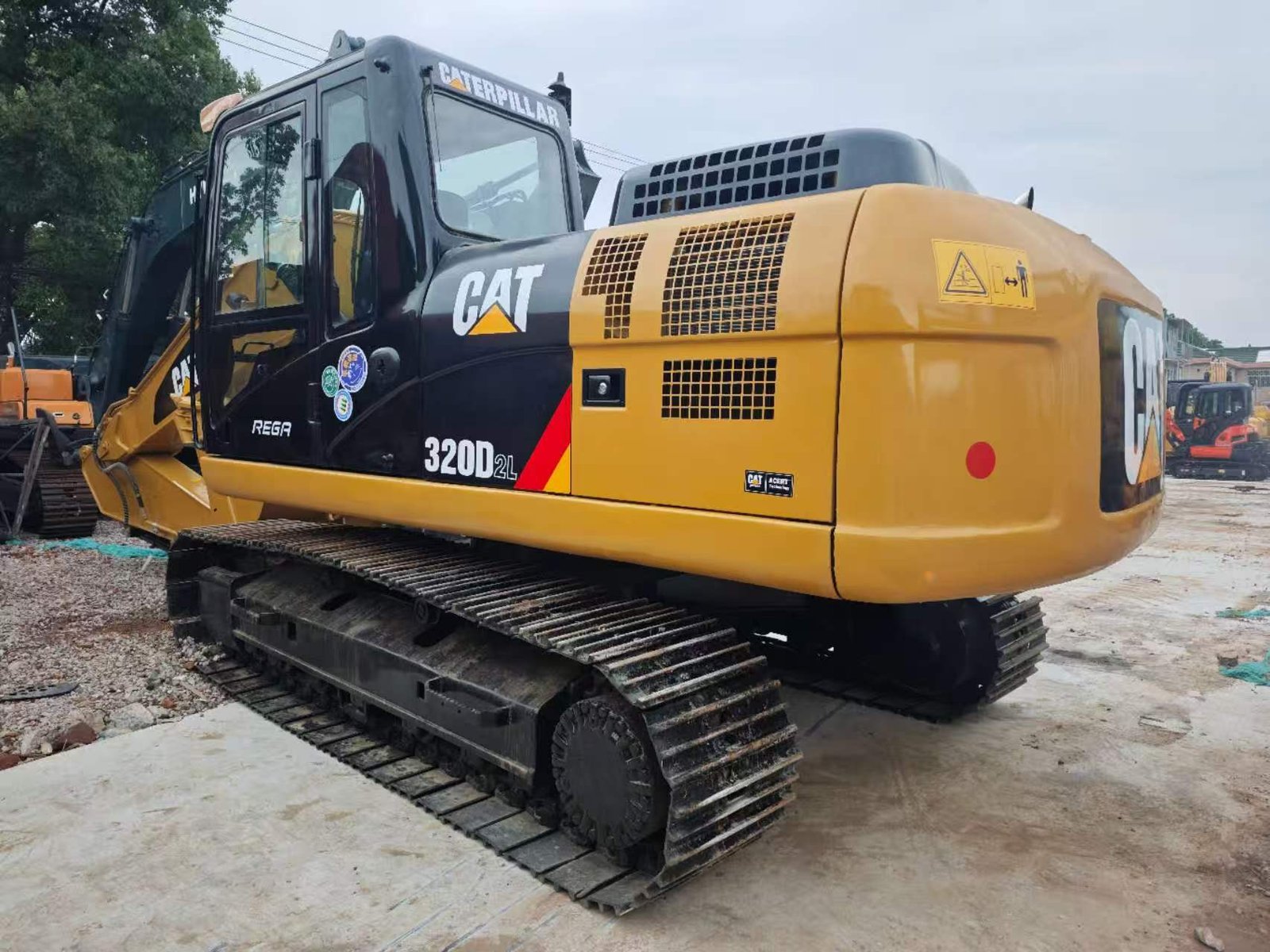
When LIHIGH receives a message asking for the “best CIF price” on a used excavator, the detail most often missing is the destination port. A country name is not enough for a working sea-freight quotation, and a port-to-port CIF price is not the same as the final cost after the machine arrives.
FOB and CIF are both useful, but they divide the work differently. The right choice usually depends on whether the buyer already has a reliable freight forwarder and how much control they want over the ocean shipment.
FOB in practical terms
Under an agreed FOB quotation, LIHIGH prepares the actual machine for the named loading port, completes the export formalities and delivers it on board the booked vessel. The buyer or the buyer’s forwarder arranges the main ocean freight and cargo insurance.
This option works well for importers who already ship equipment regularly. Their forwarder can compare vessel schedules, manage several machines in one booking and handle communication with the destination agent. The quotation still needs to name the loading port and state what preparation is included.
What CIF includes, and what it does not
With CIF, LIHIGH also arranges the ocean freight and cargo insurance to the named destination port. One point is easy to misunderstand: paying freight to the destination does not mean the seller carries the transport risk all the way there. The shipment terms and insurance coverage should be checked in the final contract.
CIF normally does not include import duty, local tax, customs clearance, destination terminal charges, storage, demurrage or inland delivery. Those costs are controlled at destination, so the buyer should confirm them with a local customs broker or port agent before ordering.
Why a reliable freight figure needs the actual machine
A brochure weight is only a starting point. Freight can change when the quoted unit has a larger bucket, long arm, guarding, quick coupler or another attachment. LIHIGH checks the actual transport dimensions and then considers whether the machine can move in a container, on a flat rack, by RoRo or as breakbulk cargo.
The loading plan also affects cost. A boom, arm, bucket, counterweight or cabin may need to be removed for transport, and the quotation should say who handles that work and what will be reinstalled before delivery. Ocean rates and available sailings also move, so every freight offer needs a clear validity period.
Details that make a quotation useful
- Exact machine model or the type and tonnage required
- New or used condition, quantity and preferred budget range
- Named destination port, not only the destination country
- FOB, CIF or both prices for comparison
- Required attachments and any transport-height restriction
- Expected purchase and shipment timing
Before confirmation, LIHIGH can separate the machine price, agreed origin preparation and ocean freight so the buyer can see what is included. Current photos, serial-plate details, working video and the proposed loading method can be matched to the same unit.
Which option is usually better?
Choose FOB when your own forwarder can give you better control or combine the excavator with other cargo. Ask for CIF when you need LIHIGH to check a practical port-to-port route and freight reference. Many experienced buyers request both, then compare the full list of included and excluded costs rather than comparing one headline number.
Review LIHIGH’s shipping support and current used excavators. To receive a working quotation, send the machine model, quantity and destination port to the export team.