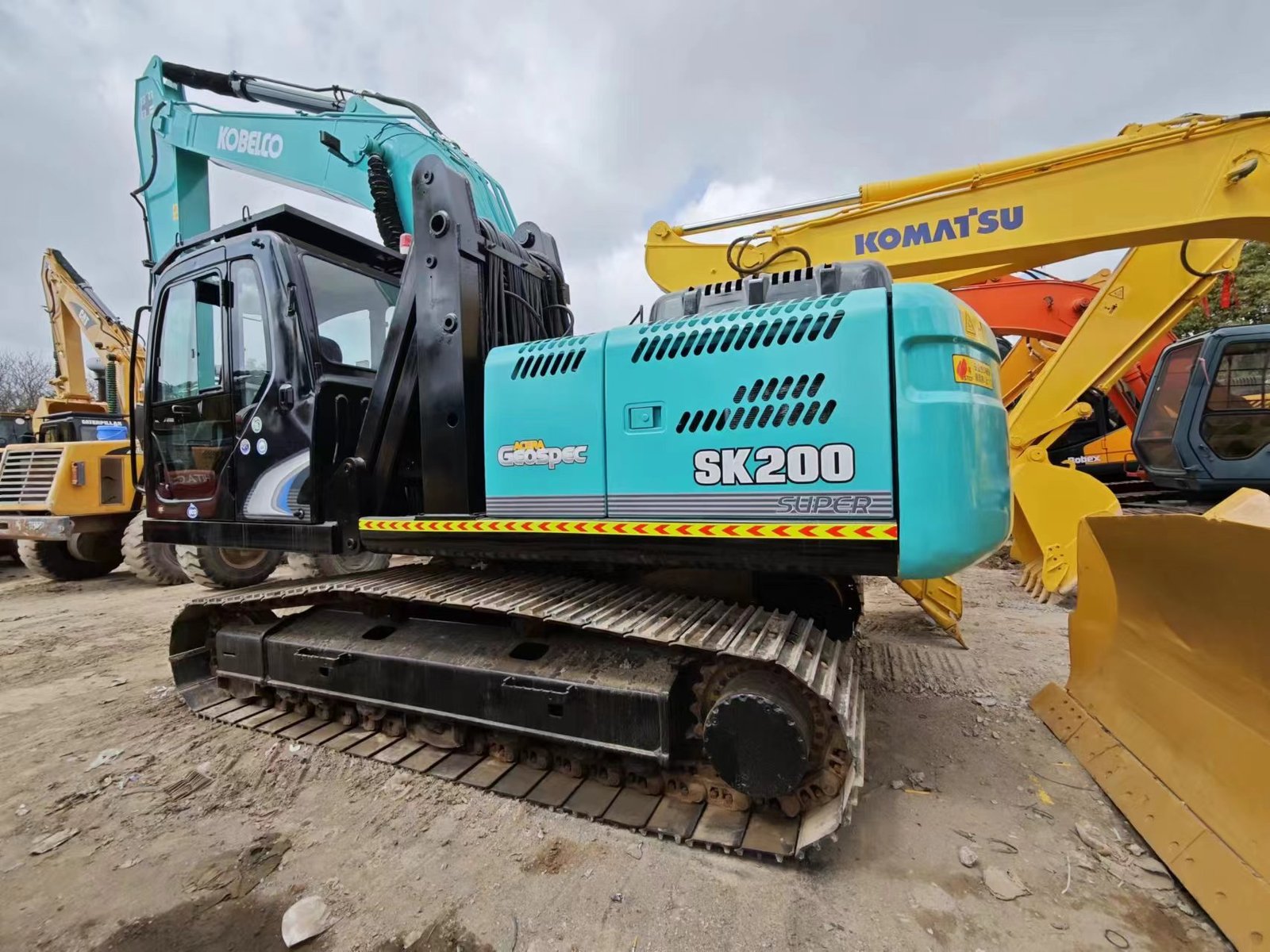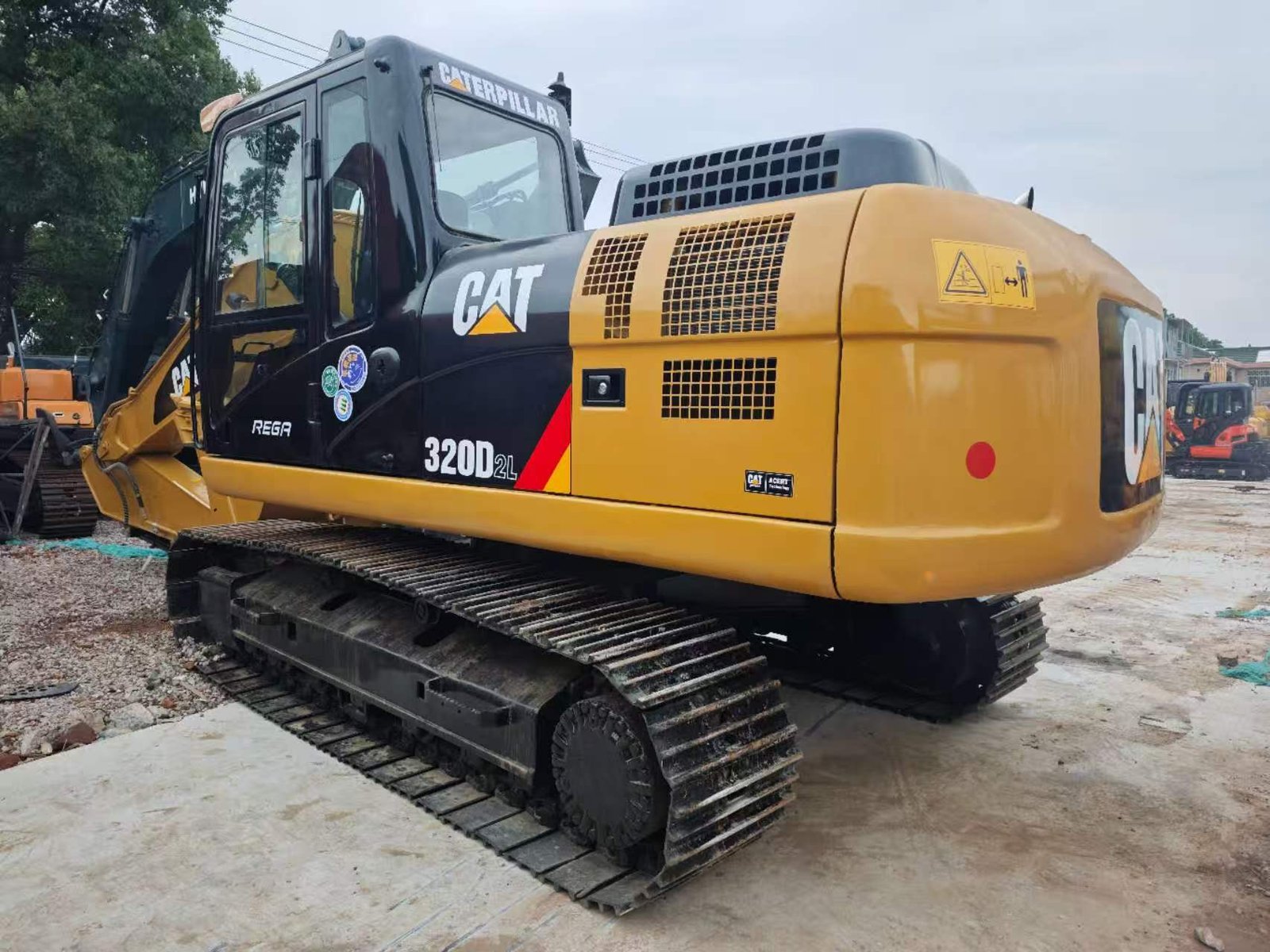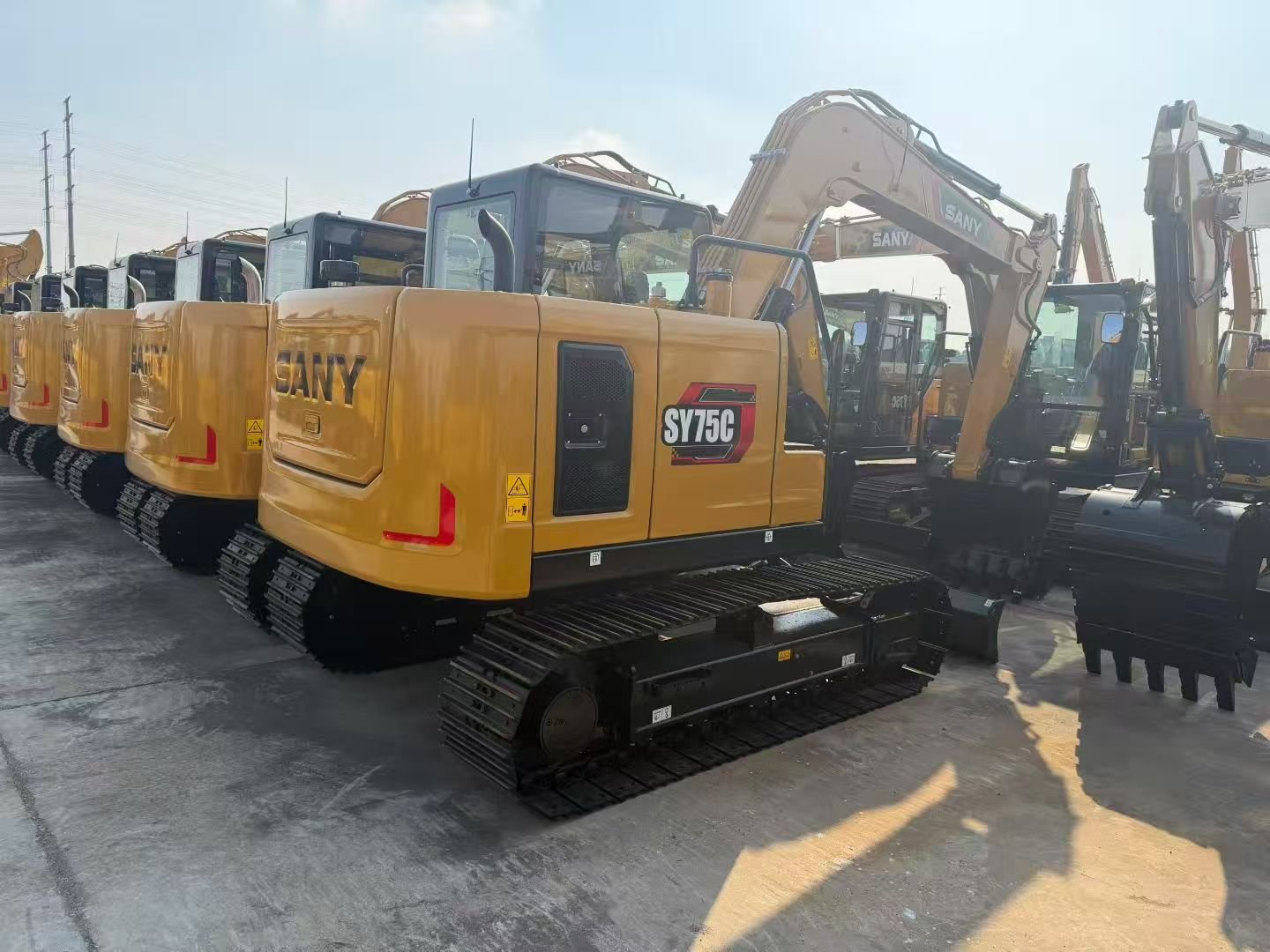
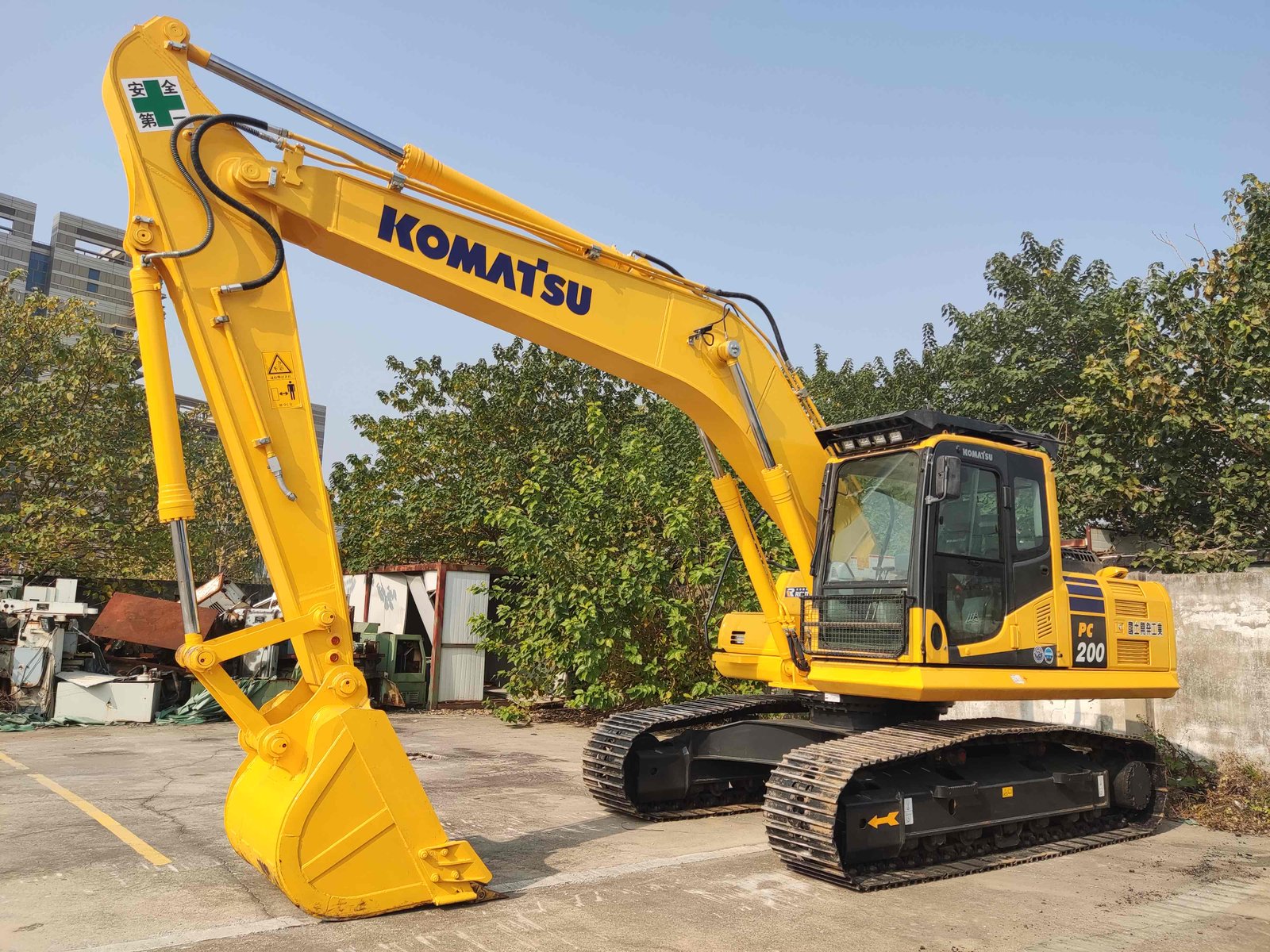
A freshly painted used excavator can look excellent in photos. That does not automatically make it a good machine, and it does not automatically make it a bad one either. Cleaning and repainting are common before export. The useful question is simpler: what can still be checked on the actual machine?
When a buyer asks LIHIGH about a clean-looking excavator, we try to separate appearance from mechanical condition. Paint is part of presentation. Engine performance, hydraulic response, structure and undercarriage are what decide whether the machine fits the job.
Start with photos taken before final preparation
If they are available, earlier yard photos can show the machine before washing or repainting. They may make oil marks, old decals, scratches and previous working condition easier to understand. Not every machine arrives with a complete photo history, so the seller should be clear about what is available instead of filling the gaps with assumptions.
Look where paint does not solve wear
Fresh paint cannot remove movement in the boom foot, arm joint or bucket linkage. Ask for close video of the pins and bushes while the operator lifts and lowers the attachment. Check the sprockets, track links, rollers and track shoes as a group. A wide photograph of the side of the machine is not enough to judge the undercarriage.
The same applies to hydraulic cylinders. Chrome rods should be viewed closely for pitting or damage, and the seals should be checked after the machine has worked. A dry cylinder in a parked photo may begin to show leakage only after several operating cycles.
Check the structure in ordinary light
Heavy dirt can hide repairs, but very thick paint can hide them too. Useful close-ups include the boom base, arm, bucket ears, upper-frame corners, counterweight area and the main welds around the undercarriage frame. Uneven welds, grinding marks or plates added around a high-stress area need an explanation.
Small cosmetic repairs are common on working equipment. The important point is whether a repair affects strength, alignment or future use. Clear daylight photos are normally more useful than heavily edited pictures or video recorded at night.
Do not use the hour meter by itself
The meter photo should match the same machine, but recorded hours are only one part of the condition check. Cab wear, pedal wear, control levers, seat condition, pins, undercarriage and hydraulic response should make reasonable sense together. For an older imported machine, the serial plate and available documents should also be checked before anyone promises an exact production year.
Ask for one continuous working video
Short clips are easy to send, but a continuous video is more useful. Ask to see the serial plate, cold start where possible, dashboard, engine sound, exhaust, boom, arm, bucket, swing and travel in the same recording. The operator should run the machine long enough for obvious warning lights, abnormal noise or leakage to appear.
For machines with a breaker line, quick coupler or special attachment, confirm the actual piping and controls on the offered unit. A brochure or another machine of the same model cannot prove the fitted configuration.
What LIHIGH can prepare before confirmation
- Current exterior, cab, meter and serial-plate photos
- Close views of the boom, arm, cylinders and undercarriage
- Cold-start and full-function video when practical
- Notes on visible repairs, leakage and included attachments
- Actual transport dimensions and a proposed loading method
A clean machine is easier to present, but the purchase decision should still be based on evidence from that exact unit. Review LIHIGH’s used excavator listings and inspection checklist. To check a machine, send the model, destination port and the photos or videos you need before requesting the final quotation.