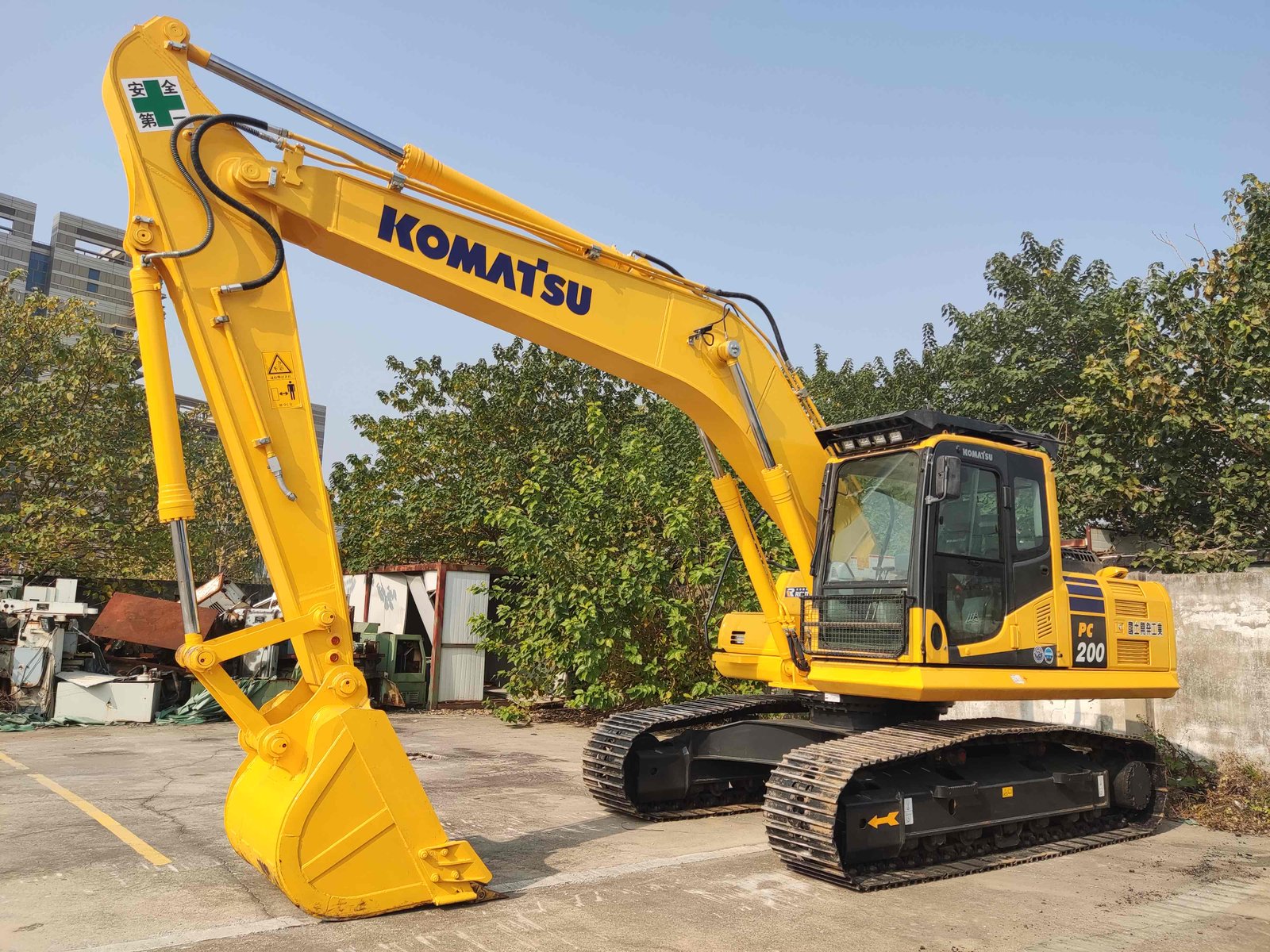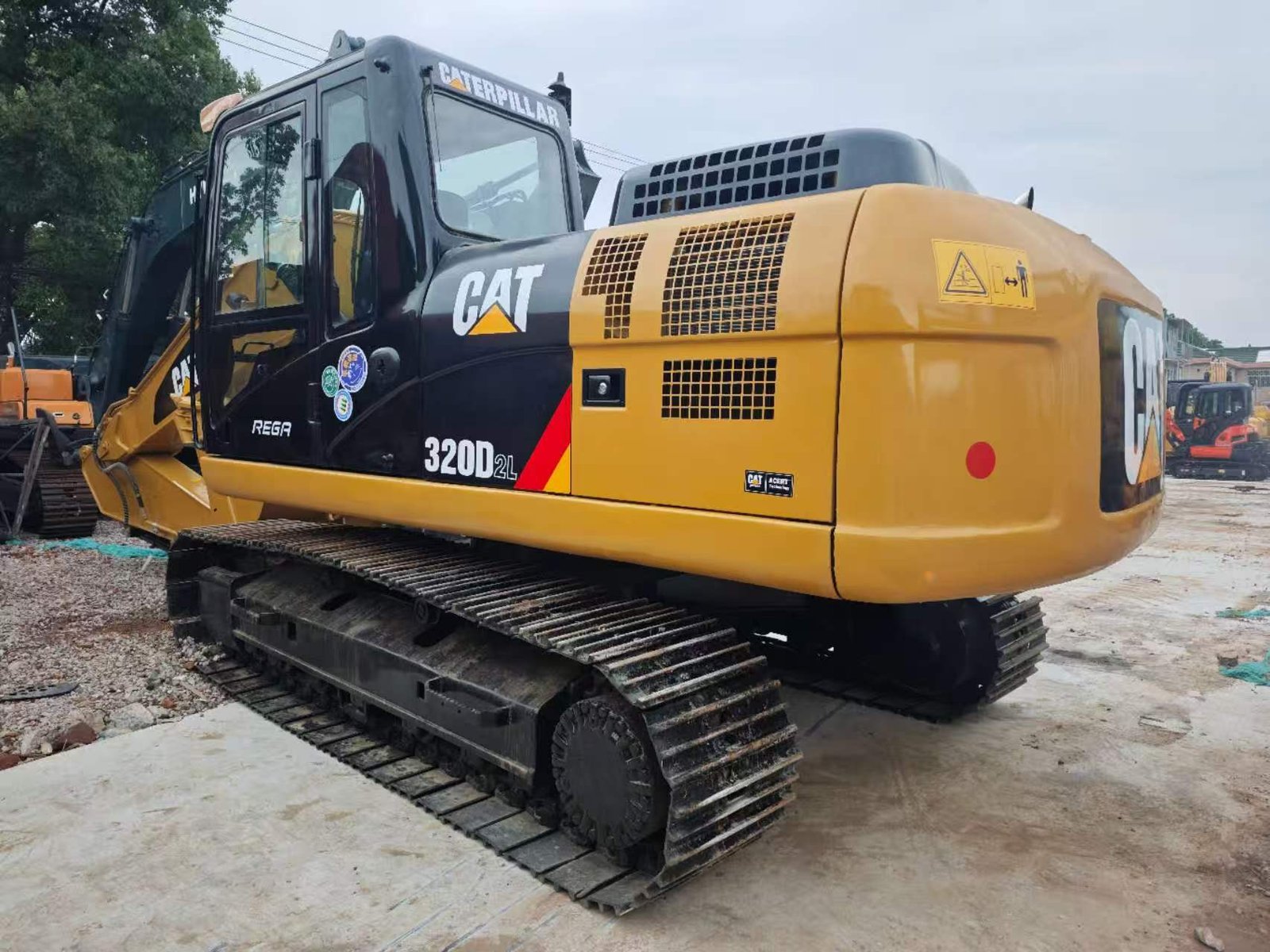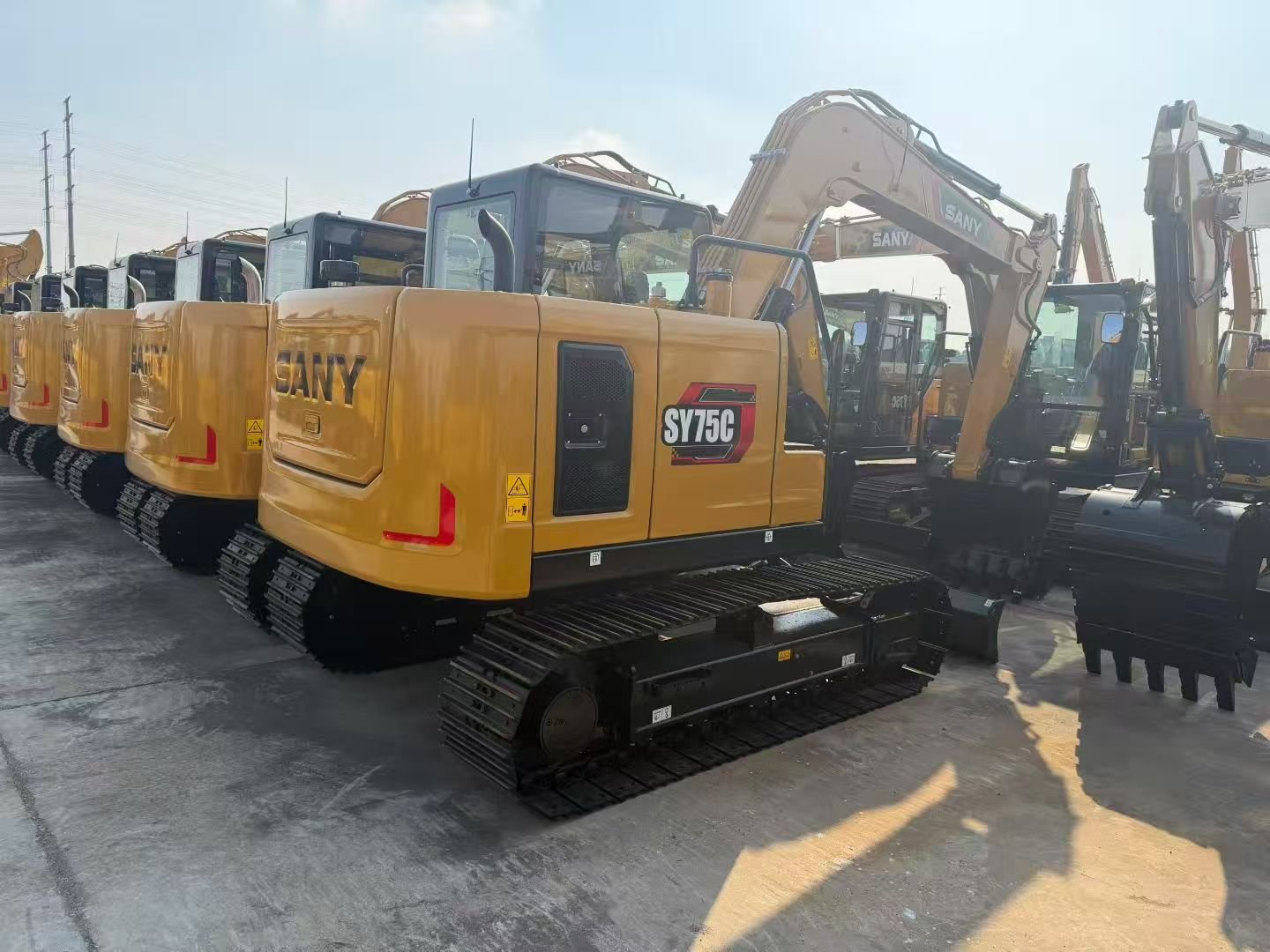
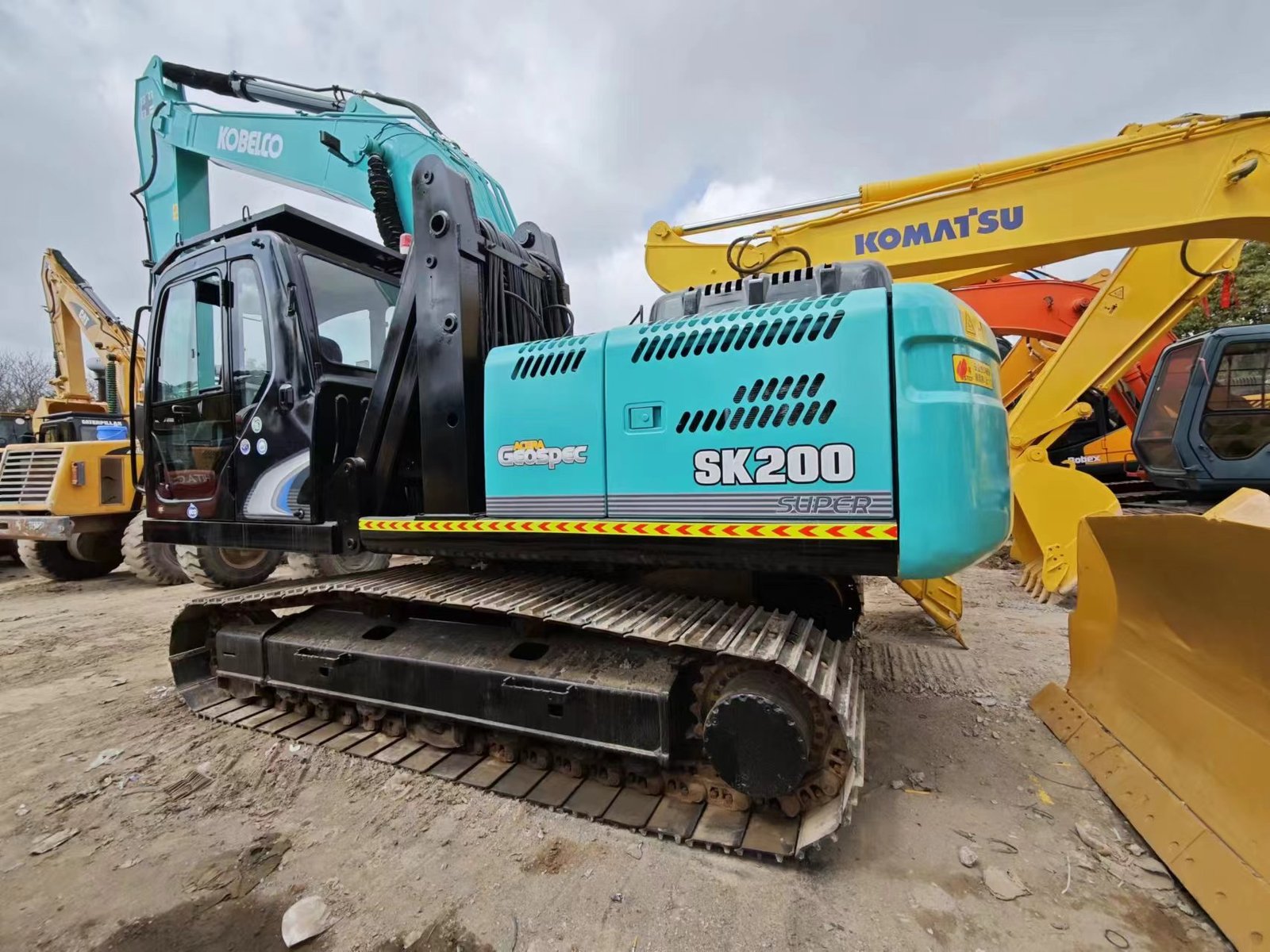
A common WhatsApp question arrives with two listing screenshots: both machines carry the same model name, so why is one quotation higher?
The short answer is that the model tells us the size and basic design. It does not tell us the condition of the actual machine, what is included in the offer or how much work is needed before shipment. A fair comparison has to put the two units side by side.
First confirm that the model is really the same
Small letters and numbers after the main model can matter. A standard boom, long reach, narrow undercarriage, wide track shoe, factory breaker line or different engine specification can change both value and suitability. Machines produced for different markets may also have different configurations even when the main decal looks similar.
Ask for a clear serial plate photo from each unit. The quotation, photos and video should all refer to that same machine. Comparing one seller’s detailed unit with another seller’s general model photo does not produce a useful price comparison.
Year and hours are only two lines on the sheet
A newer machine is not automatically the better choice if it has worked in a harder application or received poor maintenance. The hour meter is useful, but it should make sense beside cab wear, pedal wear, control levers, pins, track components and the general working response.
For older imported excavators, the available year evidence can vary. The serial plate, documents and machine details should be checked before an exact production year is promised. If the evidence is incomplete, the quotation should say so plainly.
Undercarriage cost can explain a large part of the gap
Two excavators can start and dig well while having very different remaining life in the tracks. Compare track links, bushings, rollers, idlers, sprockets and shoes, not just the percentage written in an advertisement. Loose tracks can be adjusted; worn chains and sharp sprocket teeth are a different expense.
Photos should be taken from both sides and close enough to see the components. A short travel video can also show whether the machine walks straight and whether there is abnormal noise.
Look at repairs and leakage after the machine has worked
Check the boom foot, arm, bucket linkage, upper frame and undercarriage frame for welding, added plates or grinding marks. A previous repair is not always a reason to reject a machine, but its location and quality matter. The seller should explain visible structural work rather than letting fresh paint answer the question.
Hydraulic cylinders, hoses, pump area, travel motors and swing area should be checked after operating the machine. A unit photographed immediately after washing may look dry even when a seal begins to leak under pressure.
Compare what the price actually includes
One quotation may include a good bucket, quick coupler, breaker piping, new batteries, service work or loading preparation. Another may be the machine only. The trade term matters too: an ex-yard figure cannot be compared directly with an FOB price that includes inland delivery, export handling and port work.
Ask both suppliers to state the included attachment, machine location, preparation work, loading port, trade term and quotation validity. If ocean freight is included, use the same destination port and a similar shipping method for both offers.
A simple side-by-side check
- Serial plate and exact model suffix
- Available year evidence and displayed hours
- Cold-start and complete working video
- Undercarriage, pins, cylinders and visible repairs
- Bucket, piping, coupler and other included attachments
- Actual dimensions, loading plan and trade term
The lowest number can still be the right purchase, but only after the missing work and missing equipment are counted. Sometimes the higher-priced machine is ready to ship. Sometimes the cheaper unit is better value because its wear is honest and the repair needed is simple. The evidence from the actual machines decides.
Browse LIHIGH’s current used excavators and use the inspection checklist when comparing offers. For a side-by-side stock check, send the models, destination port and required attachments to the export team.