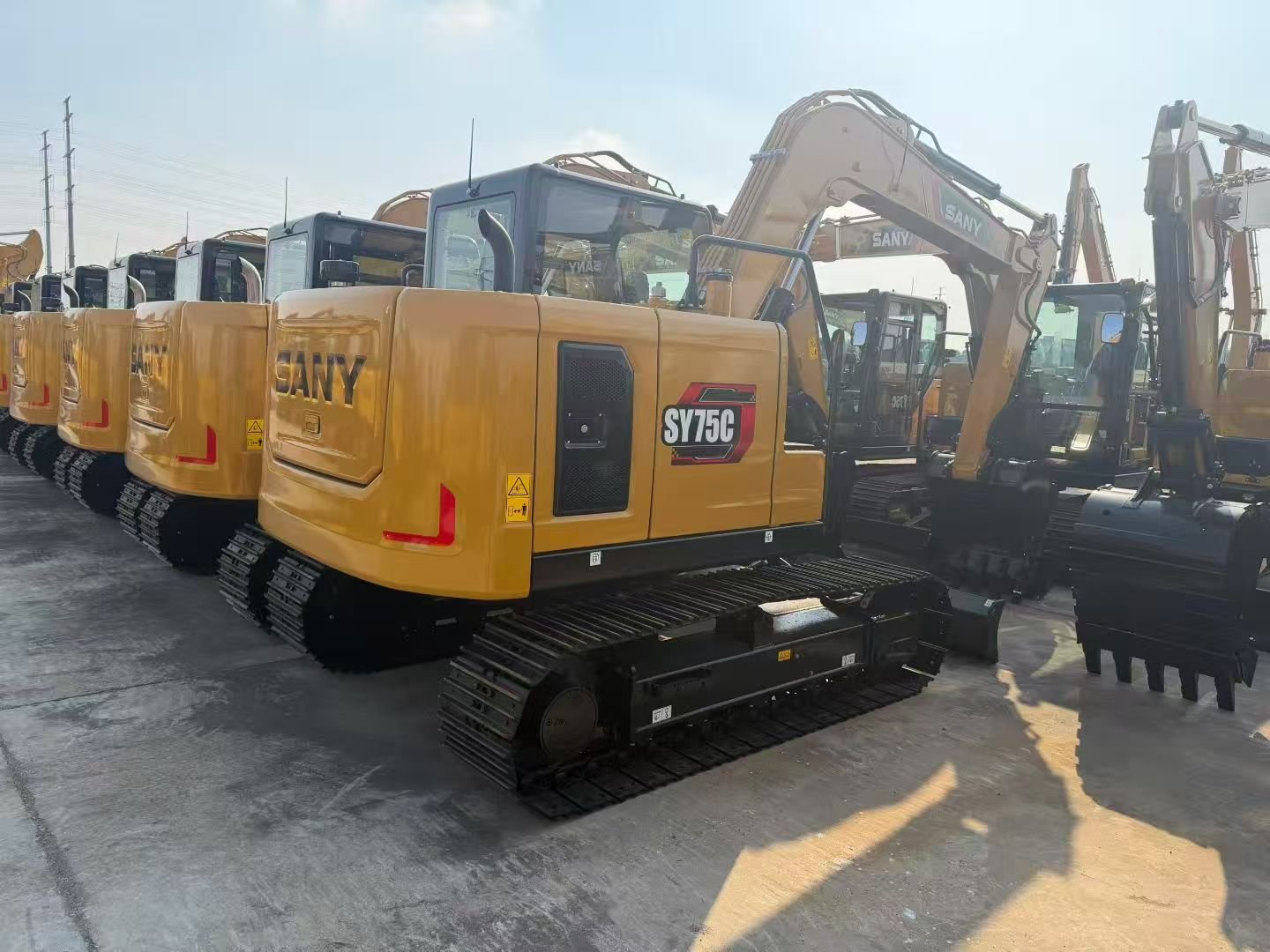
The right excavator is not always the largest machine available. A useful choice balances digging depth, lifting demand, site access, ground conditions, attachment needs, transport limits and operating cost. Buyers should define the work first, then compare current machines that can perform it safely and efficiently.
1. Start with the work, not only the tonnage
Describe the main job as clearly as possible: trenching, residential foundations, road construction, quarry loading, demolition, forestry or general earthmoving. Include the expected digging depth, reach, bucket size, material density and any lifting requirement. Two excavators in the same weight class can have different booms, arms, buckets, counterweights and hydraulic configurations.
2. Compact and mini excavators: approximately 3.5 to 8 tonnes
Compact excavators suit restricted sites, landscaping, utility work, small foundations and projects where transport and access matter. Check overall width and height, tail-swing design, blade configuration, auxiliary hydraulic lines and whether the selected bucket or attachment is included. A compact machine can reduce site disturbance, but it should still have enough reach, stability and hydraulic performance for the intended task.
3. Medium excavators: approximately 13 to 25 tonnes
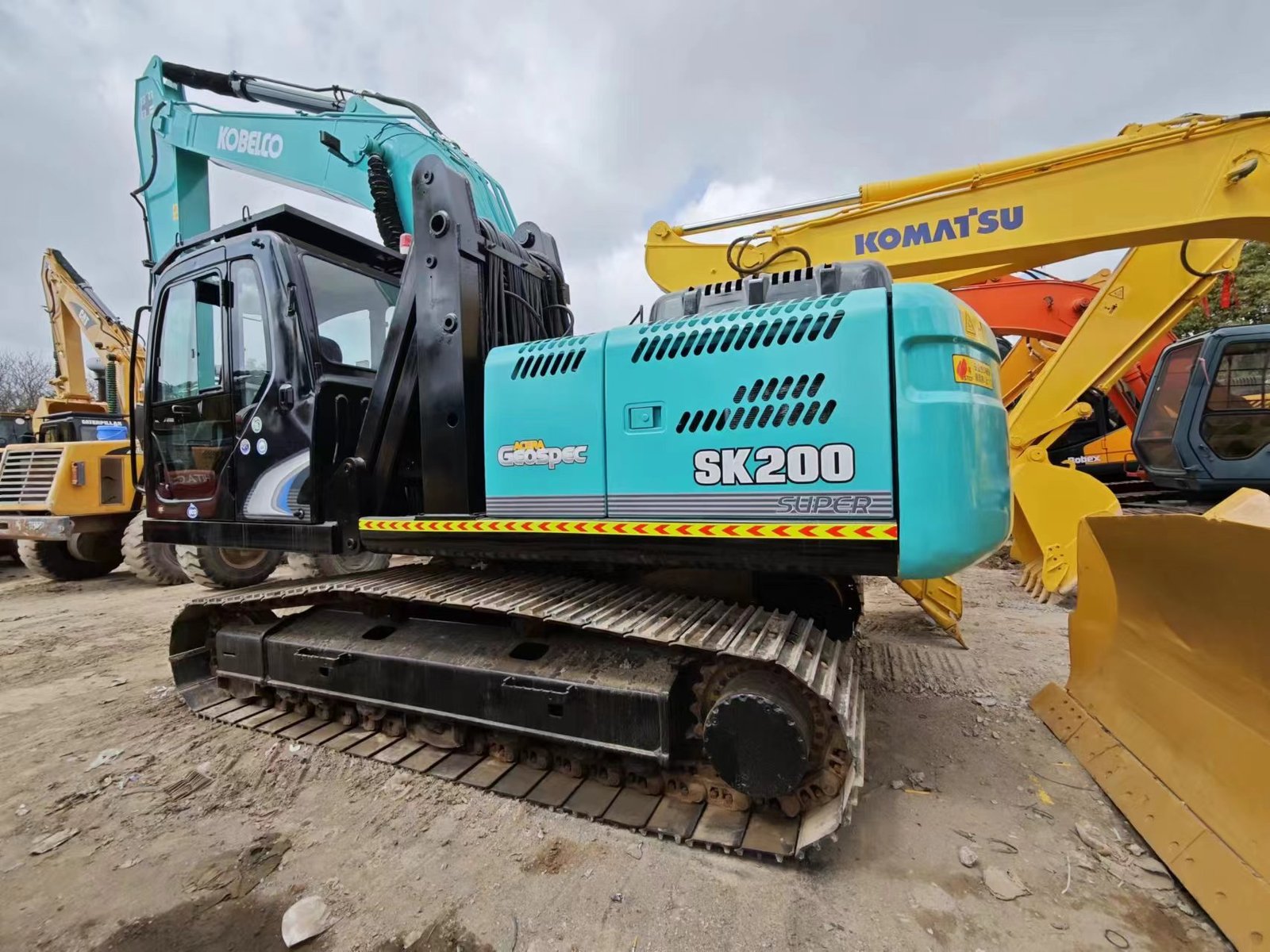
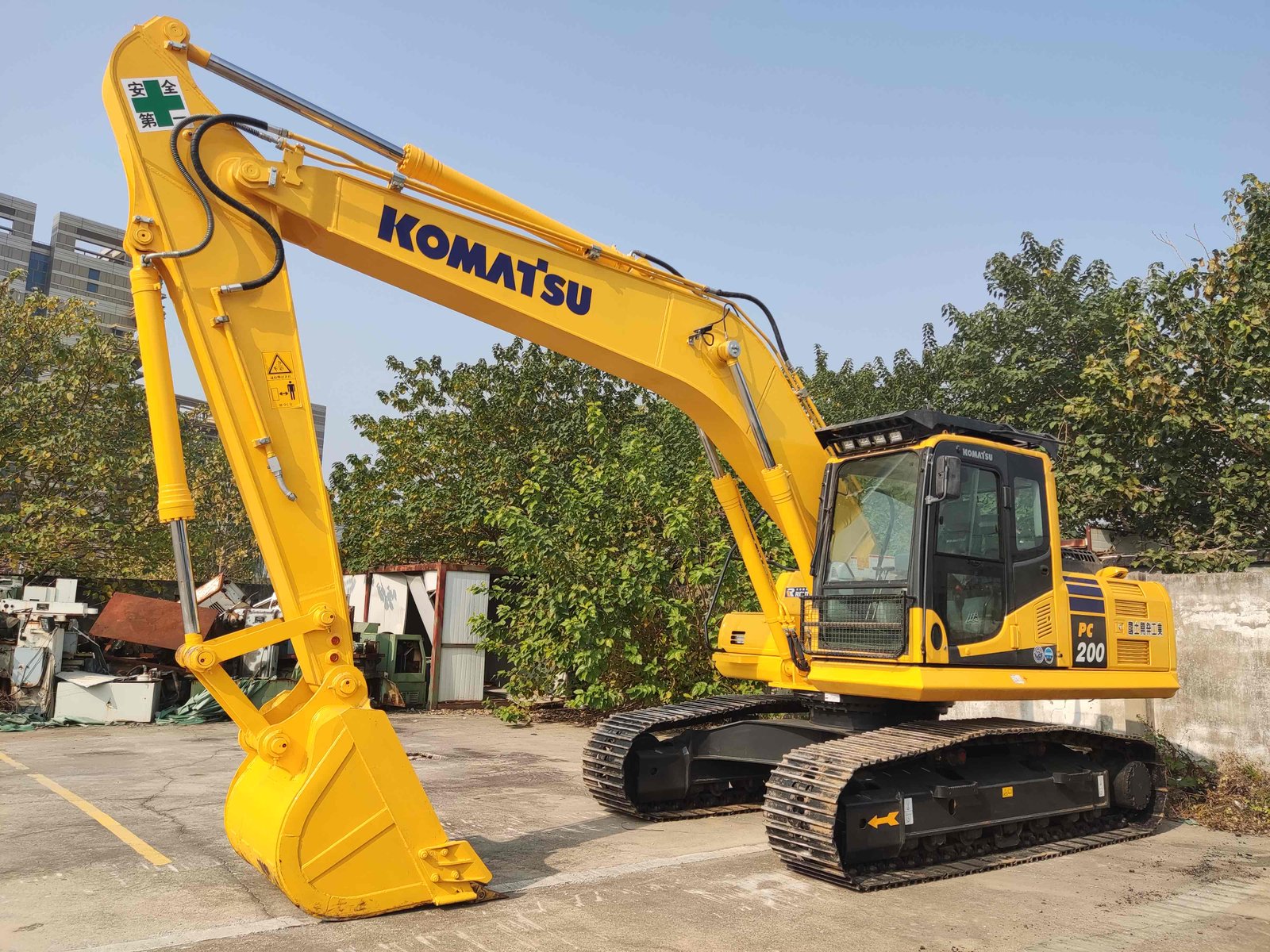
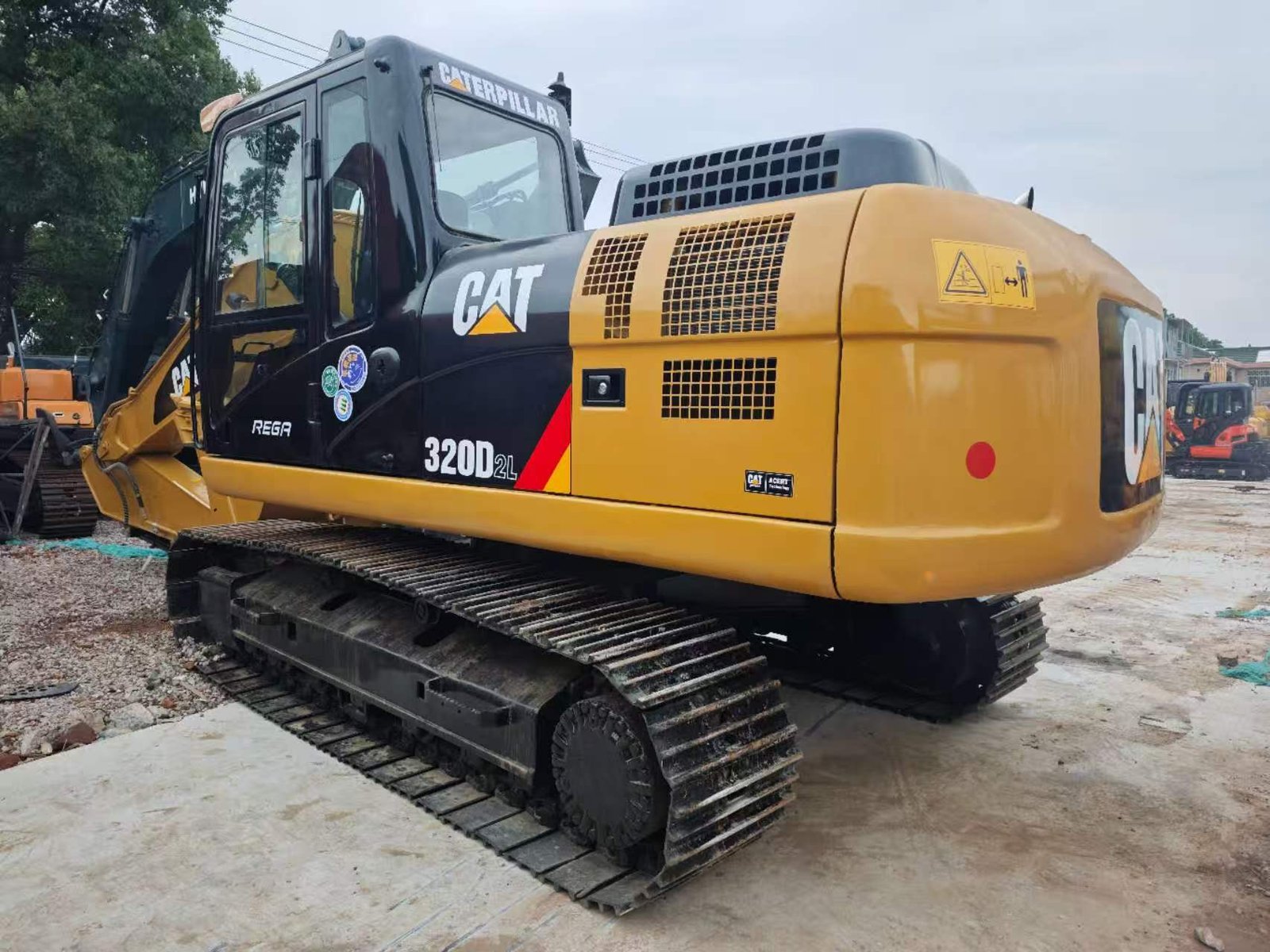
This range is widely used for civil work, roads, drainage, building projects and general contracting. A 20-ton-class excavator is often versatile, but buyers should compare operating weight, engine output, bucket capacity, undercarriage condition and transport dimensions. For used machines, the actual serial plate, working hours and full-function video remain more important than a general model brochure.
4. Heavy excavators: approximately 30 to 55 tonnes
Heavy excavators are better suited to large earthmoving, quarry, mining support and high-production loading. They require more careful planning for ground pressure, fuel use, attachment matching and international shipment. Confirm whether the boom, arm, bucket, counterweight or other components must be removed for container, flat-rack, RoRo or bulk transport.
5. Match the attachment and hydraulic configuration
A breaker, shear, crusher, grapple, auger or quick coupler can change the required machine specification. Confirm attachment weight, required oil flow and pressure, auxiliary piping, coupler type and control arrangement. The carrier must have enough hydraulic capacity and stability for the attachment rather than simply matching its pin size.
6. Check transport and destination limits before ordering
Overall dimensions and weight affect inland trucking, port handling and ocean freight. Ask for the actual transport dimensions after any agreed preparation, then check local road limits, import rules and unloading capability at the destination. A smaller machine may be more economical when site access and transport are major constraints.
Information to send for a useful recommendation
- Primary job and material to be handled
- Required digging depth, reach or lifting capacity
- Preferred operating-weight range and bucket size
- Required attachments and auxiliary hydraulics
- New or used condition and budget range
- Destination country and port
Compare LIHIGH’s excavator listings and mini excavators, or browse used machinery and new machinery. For a focused stock check, send the project requirements and destination to the LIHIGH export team.