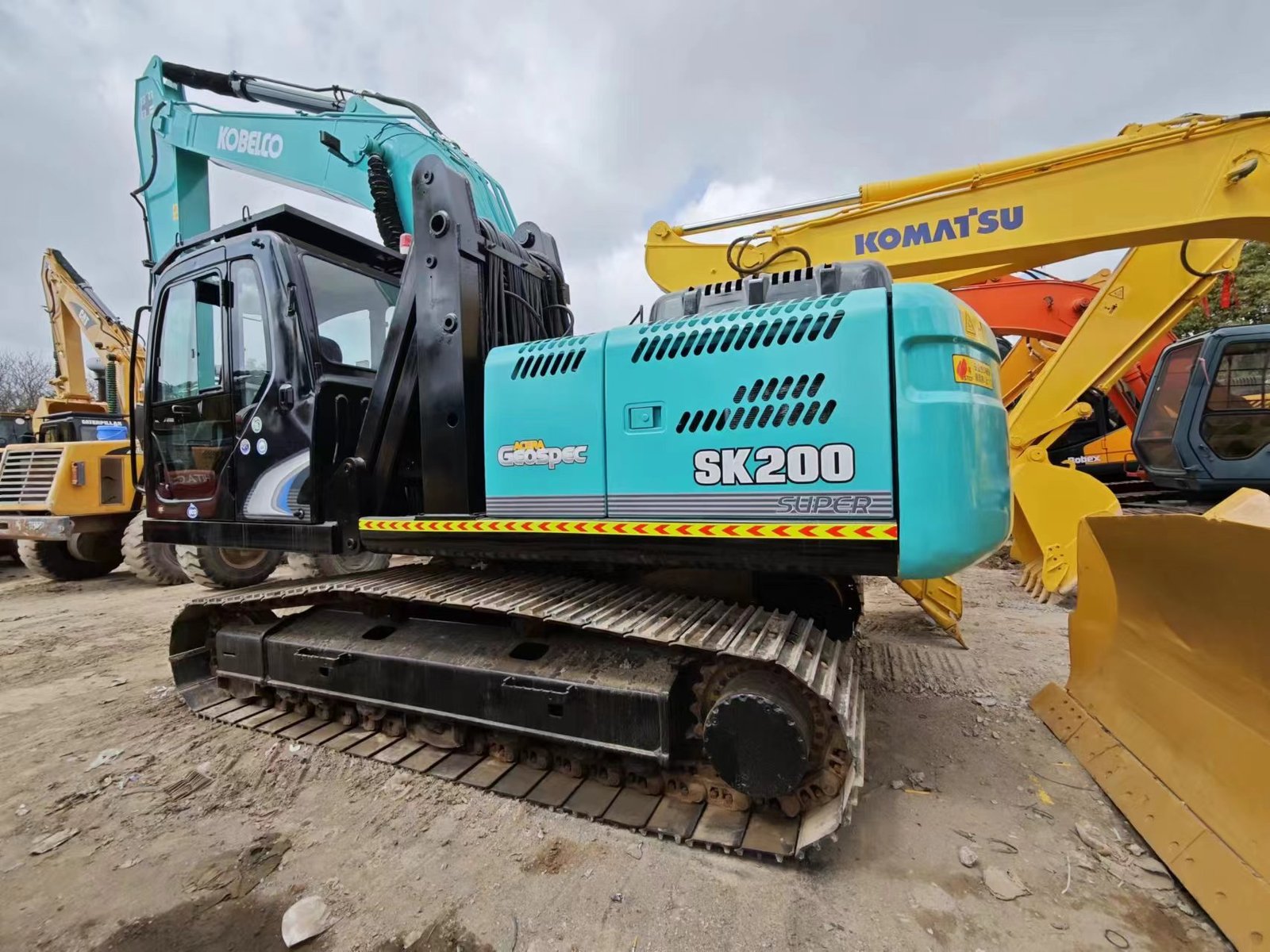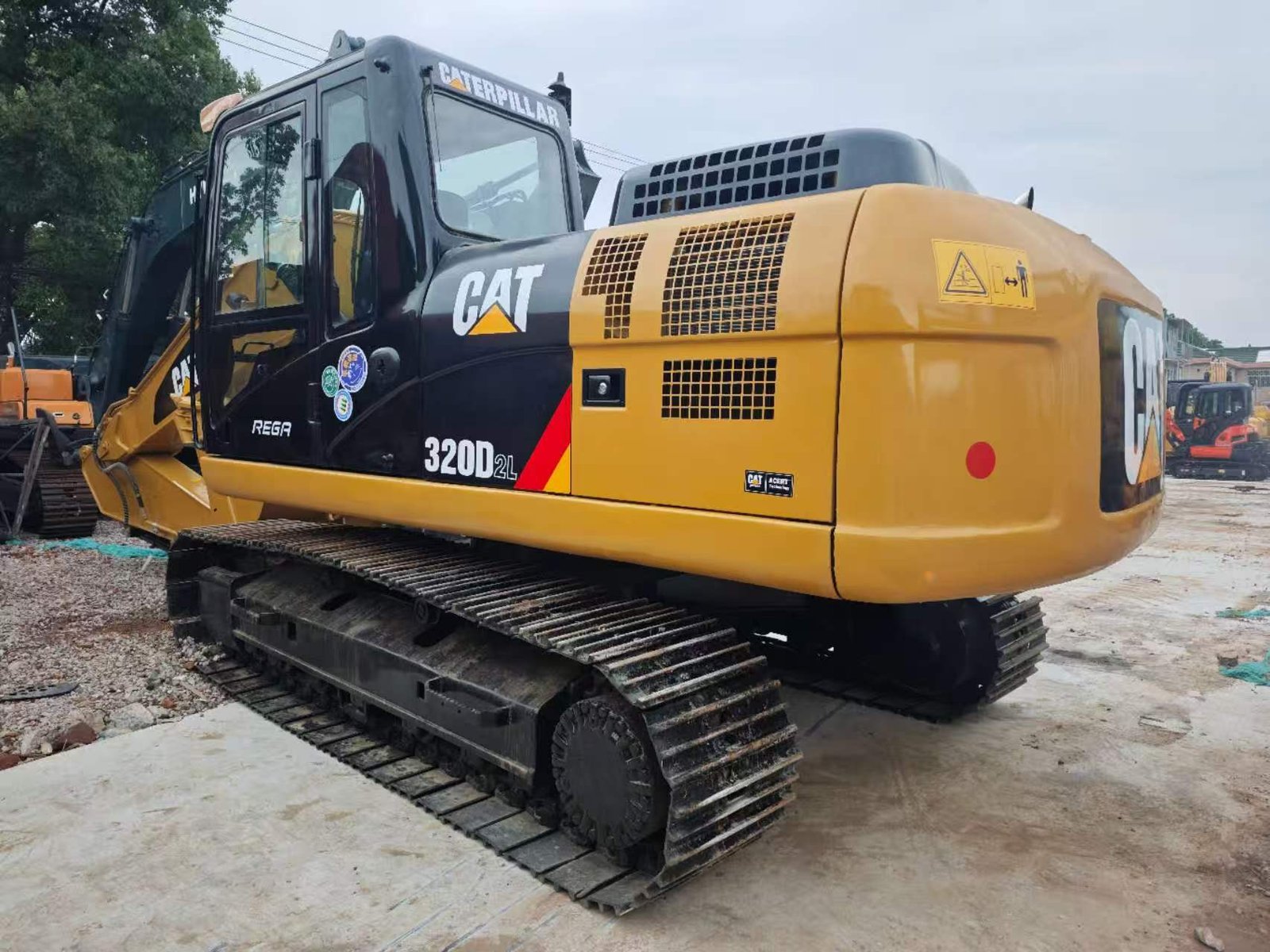
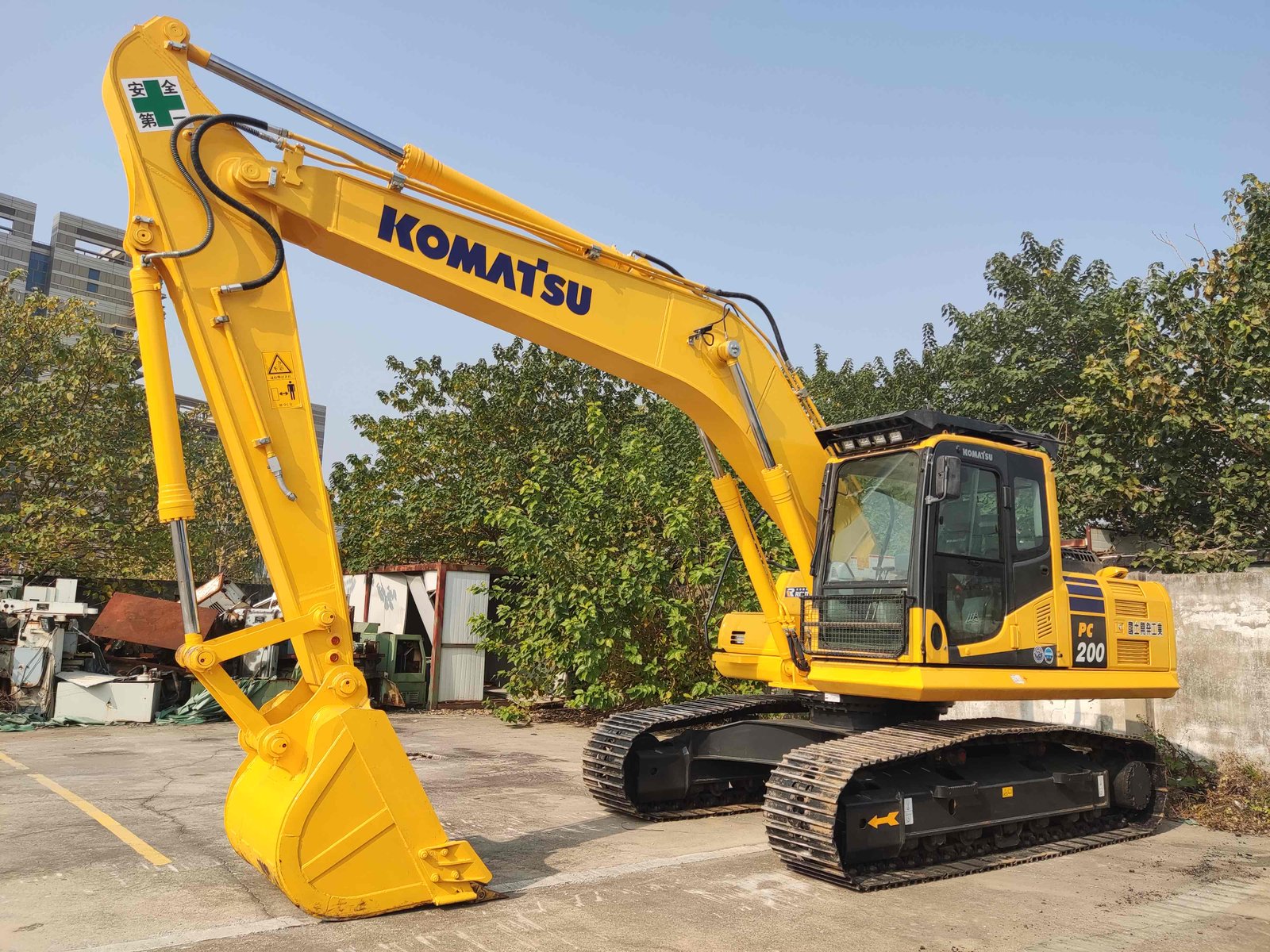
“Is the machine ready?” sounds like a simple question. When buying a used excavator from China, it can mean several different things: workshop work is finished, a truck has been booked, the machine has reached the port, or it is already on board. Those are not the same update.
Once you have chosen a machine, the next conversation should be about what happens before dispatch. A few clear records are more useful than another set of polished sales photos.
Keep one record for the machine you agreed to buy
Save the quotation, serial-plate photo and agreed attachment list together. Later photos should be traceable to that unit, especially when a yard has several excavators of the same model. A wide side view and a readable serial plate make a better reference than a model name in a chat message.
If a different bucket or another machine is proposed later, ask for the change in writing before it goes ahead. Do not leave the final configuration spread across several days of messages.
Turn “service included” into a short work list
That phrase can mean different things to different people. If the agreement includes replacing a hose, fitting a battery or servicing the engine, list each item separately. Ask which items are finished and which are still waiting for parts.
A useful completion update identifies the work and includes a dated photo or a relevant test video. A photo of new filters beside a machine, for example, does not by itself show that they were fitted. If additional work is needed, agree on the cost and timing before it is carried out.
Count the loose parts before they disappear into packing
A bucket is easy to spot. Pins, retaining bolts, spare filters and small tools are easier to lose track of. Request a list of the items included with the machine, with quantities and photos showing how they are packed. Labelled packages are especially helpful when more than one machine travels in the same shipment.
If the transport plan calls for removing components, confirm what will arrive separately and who will arrange reassembly. Ask for the dimensions of the prepared shipment, not just the dimensions copied from a model brochure. Dismantling, securing and reassembly should be planned by qualified people.
A loading photo is not a departure notice
An excavator on a low-bed truck may only be leaving the yard. It does not prove that the machine has been loaded onto a vessel. Ask the person handling the shipment to name the current stage and the next expected update.
- Ready at the yard: agreed preparation is complete.
- Collected: the machine has left for the next handling point.
- Received at port: receipt has been confirmed, but vessel loading may still be pending.
- Loaded on board: loading has been confirmed for the identified vessel.
- Departed: the actual departure has been confirmed, rather than only scheduled.
Schedules can change. When that happens, a revised date and a plain explanation are more useful than repeating the original estimate.
Check the details while corrections are still possible
Ask to review the available draft shipping details with your forwarder or broker. Check the consignee spelling, contact details, destination, machine identification and package count against the order. The documents required depend on the shipment and destination; settle that list with the people handling clearance rather than assuming every order uses the same paperwork.
For a LIHIGH enquiry, send the listing and destination port and tell us which preparation records you need. Agreeing on those records early gives both sides a clear handover point before the machine leaves the yard.